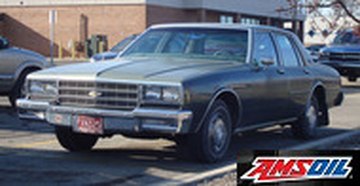
Maintaining Lubrication Integrity for the 1981 Chevrolet IMPALA 3.8L
Proper engine maintenance is a cornerstone of long-term vehicle health, particularly when managing an engine from the early 1980s. For the 1981 Chevrolet IMPALA equipped with the 3.8L engine, consistent attention to lubrication and fluid integrity ensures that mechanical components continue to operate within their intended parameters. While modern vehicles often feature automated monitoring systems, older engines require a more hands-on approach from the owner to identify potential issues before they escalate into significant mechanical concerns.
Monitoring Fluid Condition and Potential Seepage
One of the most effective ways to monitor the health of the 3.8L engine is through regular visual inspections of the engine bay and under the vehicle. Over time, various seals and gaskets may experience changes in their ability to contain fluids. Rather than assuming a component has failed, owners should look for evidence of seepage or active leaks during routine checks.
When inspecting the engine, pay close attention to areas where fluid might accumulate. A clean engine environment makes it much easier to spot new developments. If you notice wetness around various sealing surfaces, it warrants closer investigation. Additionally, checking the appearance of the oil itself can provide clues about the engine's internal state. Oil that appears excessively dark, gritty, or contains visible particulates should be addressed promptly. Similarly, if the lubricant shows signs of contamination from other fluids, such as a milky appearance which might suggest coolant interaction, immediate professional diagnosis is advisable.
Observing Operational Indicators
Beyond visual inspections, how the vehicle behaves during operation can offer vital information regarding its lubrication status. Changes in engine behavior are often the first sign that something requires attention. For instance, if you notice an unusual change in how the engine sounds while idling or under load, it could be related to the lubrication state or other mechanical components.
It is important to recognize that a single symptom can have many different causes. An unusual noise or a change in performance does not automatically point to one specific part; rather, these signs should be treated as prompts for a thorough inspection. If you observe any unexpected exhaust characteristics or notice the vehicle consuming more lubricant than usual between service intervals, these are indicators that the engine's maintenance routine needs to be reviewed. Always treat new or changing symptoms as opportunities to perform preventive checks rather than attempting to diagnose a specific failure without proper tools and knowledge.
Prioritizing Maintenance Based on Current Condition
For an owner of a 1981 Chevrolet IMPALA, effective maintenance is often about distinguishing between what is necessary right now and what can be planned for the future. Rather than following a rigid schedule based solely on the age of the vehicle, it is more practical to prioritize tasks based on the actual condition of the engine and its components.
If you are stepping into ownership without a complete service history, your first priority should be establishing a maintenance baseline. This involves performing a comprehensive inspection of all fluids, belts (if equipped), and hoses to understand the current state of the vehicle. Once this baseline is set, you can move from reactive repairs to proactive maintenance. Addressing active leaks or investigating minor warning signs early on is far more efficient than waiting for a component to reach a point of total failure. Keeping a detailed log of every oil change, filter replacement, and observed leak will assist in making informed decisions about future service needs.
Managing Aging Engine Components
As vehicles age, the materials used in their construction—such as rubber hoses and various gaskets—can undergo natural changes due to heat cycles and time. When maintaining a 3.8L engine from this era, it is wise to adopt a condition-based inspection strategy for these components.
If present, inspect accessible drive belts for signs of deterioration such as cracking, glazing, or fraying. Similarly, check any visible hoses for softness, swelling, or brittleness. While age alone does not mean a part is ready to fail, being aware of the physical condition of these items allows you to replace them during scheduled service rather than during an unexpected breakdown. This approach helps maintain the overall reliability of the vehicle's cooling and accessory systems.
The Role of High-Mileage Formulations
When an engine has been in service for a significant period, owners may consider different types of lubricants. Some high-mileage oil formulations contain additives intended for use in aging engines. These specialized products often include seal-conditioning additives designed to help maintain the integrity of various gaskets and seals that may have become slightly hardened over time.
While these formulations can be a useful tool in a maintenance strategy, they are not a substitute for addressing active, heavy leaks. They are best viewed as a preventive measure to assist in managing the natural aging process of an engine's sealing components. Always evaluate whether your specific driving habits and the current state of your engine make a high-mileage formulation a logical choice.
Practical Steps for Buying Engine Oil for your 1981 Chevrolet IMPALA 3.8L
Selecting the correct lubricant is essential for the continued operation of your engine. When you are ready to purchase new oil, do not rely on general assumptions about what an older vehicle might need. Instead, match the engine oil to the application-specific viscosity information already displayed on this page.
Before completing your purchase, follow these practical steps:
- Verify Viscosity: Ensure the SAE viscosity grade on the product label matches the specific requirements listed in the application information above.
- Check API Certification: Look for the appropriate API service symbol on the bottle to ensure the oil meets modern quality and performance standards.
- Evaluate Oil Type: Depending on your maintenance goals, you may choose between conventional, synthetic blends, or full synthetic oils. If you are managing an engine with higher mileage, consider if a high-mileage formulation is appropriate for your needs.
- Inspect the Label: Always read the fine print on the container to confirm that the oil is suitable for the specific requirements of your 3.8L Chevrolet engine.
By following the application-specific guidance provided on this page, you can ensure that you are providing the correct level of protection and lubrication for your vehicle.